30 ways to market your business | Ouma's Guide
This guide covers 30 proven ways to market your business - across digital, content, paid, social, brand and offline channels. For each approach you will understand what it is, why it matters commercially, and how to use it effectively. Whether you are building a marketing system from scratch or reviewing what is and is not working, this guide gives you a clear, practical framework for making better decisions about where to invest your marketing resource.
By Ross Jones · 2026-07-22 · 16 min read

There is no shortage of ways to market a business in 2026. The challenge is knowing which approaches are right for you - your audience, your commercial objectives, your stage of growth - and building a system around those rather than attempting to be everything, everywhere, all at once.
Marketing that is spread too thin produces activity without momentum. The businesses growing most consistently are not the ones doing the most. They are the ones doing the right things with the most intention — connecting each activity to a clear commercial outcome and measuring whether it is working.
This guide covers 30 ways to market your business. Not all of them will be right for you. The goal is to give you a clear picture of what each approach involves, when it is most effective, and how to make it work, so you can make better decisions about where your resource goes.
Section 1 — Digital Foundations
These are the non-negotiables. Before any campaign, any channel or any creative, these foundations need to be in place.
1. Your website
Your website is not a brochure. It is your most important commercial asset, the place where every other marketing activity eventually points, and the environment in which most decisions to engage or walk away are made.
A well-built website does three things. It communicates clearly who you are and who you are for. It builds sufficient trust that a visitor is willing to take the next step. And it makes that next step easy to find and straightforward to take.
In 2026, a strong website also needs to be structured for AI search visibility — with clear definitions, FAQ sections, structured proof and consistent entity signals that allow AI systems like ChatGPT and Perplexity to understand and cite your business accurately.

2. Search Engine Optimisation
SEO is the process of ensuring your website is found by the right people at the right moment, when they are actively searching for what you offer.
In 2026, SEO means more than keywords and backlinks. It means building technical foundations that allow search engines and AI systems to crawl and index your pages correctly. It means creating content with genuine depth and clarity that earns authority rather than manufacturing it. And it means understanding search intent, what the person typing a query is actually trying to achieve, and making sure your content is the best possible answer to that question.
The businesses winning at SEO right now are not producing the most content. They are producing the most useful content, structured in the way that earns citations from both traditional search engines and AI-generated answers.
3. AI search visibility
 This is the newest and one of the most significant shifts in how businesses get found online.
AI tools like ChatGPT, Perplexity, Google's AI Mode, Microsoft Copilot are increasingly answering search queries directly rather than returning a list of links. For businesses, this means a growing proportion of potential customers are getting answers without ever visiting a website. The question is whether your business is the one being cited in those answers or whether a competitor is.
Building AI search visibility means ensuring your entity is clearly defined and consistently described across your website and external platforms. It means creating definition-level content that AI systems can retrieve and summarise. It means building structured FAQ sections, adding schema markup and developing the topical authority that makes your business a trusted source in your category.
This is not a replacement for traditional SEO. It is the layer above it, and the businesses investing in it now have a significant early mover advantage.
4. Google Ads and Pay-Per-Click
Google Ads allows your business to appear at the top of search results for specific queries, you pay each time someone clicks through to your site. When set up correctly, it is one of the most commercially effective channels available because it captures people who are actively searching for what you offer.
The key word is correctly. Most businesses that run Google Ads without proper campaign structure, audience targeting, negative keyword lists and conversion tracking waste a significant proportion of their spend. The difference between Google Ads done properly and Google Ads done badly is not the budget, it's the thinking behind the campaign.
High-intent keywords – searches that indicate someone is close to making a decision – deliver the strongest commercial returns. Broad, informational keywords produce traffic without conversion. Getting that distinction right is what separates campaigns that generate qualified leads from those that generate impressive click numbers and disappointing enquiry rates.
5. Microsoft Advertising
Microsoft Advertising (formerly Bing Ads) operate on the same PPC model as Google but runs across Bing, Yahoo and MSN. It is typically lower cost per click than Google and reaches an audience that skews older and more professionally experienced.
For B2B businesses in particular, Microsoft Advertising is worth considering as a complement to Google Ads rather than a replacement. The audience demographic frequently aligns well with senior decision-makers and the lower cost per click can improve overall campaign efficiency.
6. Google Display Advertising
Display advertising allows your business to place visual banner ads across a wide network of websites, apps and platforms, targeting audiences based on their browsing behaviour, interests and demographics.
Display is most effective for brand awareness and retargeting, reaching people who have previously visited your website and showing them relevant content to bring them back. It is a less direct lead generation tool than search advertising but plays an important role in building the repeated exposure that drives consideration and trust over time.
7. Google Business Profile
A Google Business Profile is a free listing that allows your business to appear in local search results and on Google Maps. For businesses with a physical location or a regional focus, it is one of the most commercially valuable and most underinvested marketing assets available.
A well-maintained Google Business Profile, with accurate information, regular posts, strong reviews and relevant images, significantly improves visibility in local searches and builds the trust signals that influence whether someone chooses to contact you. It takes minimal ongoing resource to maintain and delivers disproportionate local visibility return.
Section 2 — Social Media
Social media isn't a single channel. Each platform has a distinct audience, a distinct content format and a distinct commercial application. Use each platform as its own ecosystem rather than cross-posting the same content everywhere.
 8. LinkedIn
For B2B businesses and professional services, LinkedIn is the most commercially valuable social platform available. It is where senior decision-makers spend time, where professional credibility is built and where the combination of organic thought leadership and paid targeting can reach exactly the right audience at a relatively efficient cost.
LinkedIn rewards original thinking, founder-led perspective and genuine insight. Content that performs strongest is specific, commercially grounded and says something the audience recognises as true from their own experience. Generic advice, promotional posts and content that could have been written by anyone performs poorly.
The most effective LinkedIn strategy for a growing business is a combination of consistent organic posting from founders and senior team members, building authority and personal brand, and carefully targeted promoted content that reaches decision-makers beyond your existing network.
9. Instagram
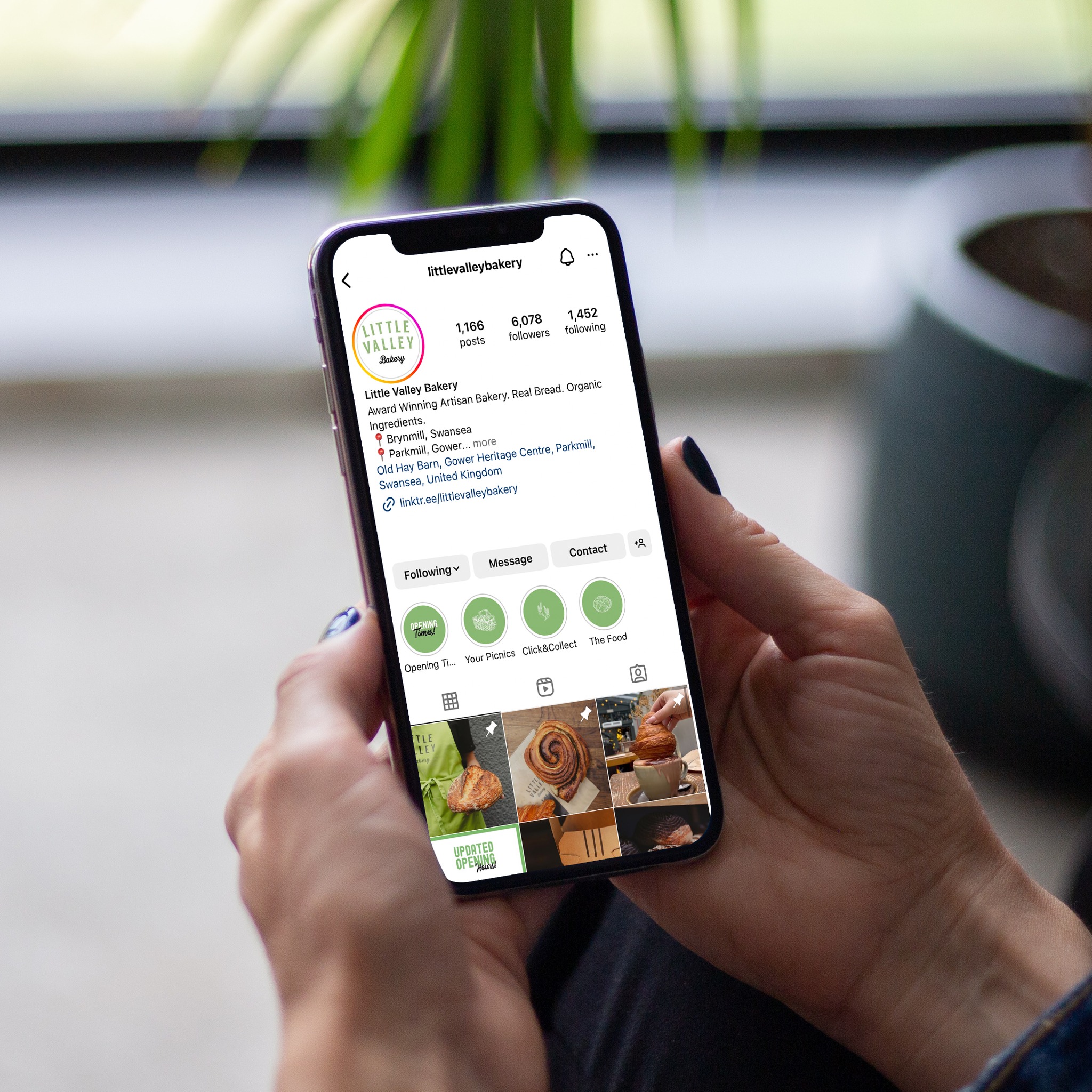
Instagram is a visual platform built around identity, aspiration and culture. For businesses where brand aesthetics, team culture, creative work or lifestyle alignment matters to the audience, it is a powerful brand-building tool.
Instagram works best when content is created specifically for the platform, visual storytelling, behind-the-scenes reality, short-form video and brand-consistent imagery, rather than repurposed from LinkedIn or other text-heavy channels. Engagement on Instagram is built through consistency and genuine visual identity, not volume.
 10. TikTok
TikTok has evolved from a entertainment platform into a genuine commercial channel, particularly for businesses targeting younger consumer audiences or those for whom demonstrating personality, expertise or behind-the-scenes reality is commercially relevant.
TikTok rewards authenticity, speed and originality. Produced, polished content tends to underperform raw, genuine content. The platform's algorithm surfaces content based on engagement rather than follower count, which means even accounts with small followings can achieve significant reach with the right content. For the right business and the right audience, TikTok represents a real opportunity, particularly while many competitors have not yet taken it seriously.
11. Facebook
Facebook remains the largest social platform by monthly active users and offers some of the most sophisticated paid advertising capabilities available. Its value for organic reach has declined significantly over the past decade, the algorithm heavily suppresses unpromoted content, but as a paid advertising platform it offers exceptional audience targeting.
Facebook Ads are most effective for consumer businesses and those with visually compelling products or services. The ability to target by demographics, interests, behaviours and lookalike audiences makes it a powerful tool for reaching new audiences efficiently. For B2B businesses, LinkedIn typically delivers better-qualified audiences, but Facebook retargeting can play a useful role in the wider marketing mix.
12. YouTube
YouTube is the world's second-largest search engine. People search it for how-to content, reviews, tutorials, product demonstrations and expert commentary, which makes it a powerful platform for businesses with the capacity to produce consistent video content.
The most commercially valuable YouTube strategy is one built around search intent, creating videos that answer specific questions your target audience is asking, rather than simply broadcasting brand content. A video that ranks for a high-intent search query will deliver qualified traffic for years after it is published.
13. Pinterest
Pinterest functions more as a visual search engine than a traditional social platform. Users come to it with intent, searching for ideas, inspiration and solutions, which means content on Pinterest has a longer commercial lifespan than on most other social platforms.
Pinterest works best for businesses in creative, lifestyle, home, food, fashion and design categories. Its audience skews significantly female and its shopping functionality makes it a strong channel for e-commerce businesses. For the right business, Pinterest can deliver consistent organic discovery at very low ongoing cost.
14. Community building
Building an owned community through a private group, a forum, a membership platform or a regular online event, creates a direct relationship with an engaged audience that is not dependent on any platform's algorithm.
The businesses that invest in community building create something competitors cannot easily replicate: a group of people who feel genuinely connected to the brand and to each other. This produces higher lifetime value, stronger word-of-mouth and a degree of commercial resilience that purely transactional marketing does not.
Section 3 — Content and Authority
Content marketing is not about producing volume. It is about building authority, establishing your business as the most credible, useful and distinctive voice in your category. Start with a content strategy prior to working through the steps below.
15. Thought leadership content
Thought leadership is content that demonstrates genuine expertise and original perspective, not recycled advice, not generic tips, not content that any competitor could have produced. It is the kind of content that makes a reader stop and think.
For growing businesses, thought leadership is one of the most powerful and most underinvested marketing levers available. It builds the kind of trust that advertising cannot buy, because it demonstrates capability rather than claiming it. It earns citations from AI search systems. It builds personal brand for founders and senior team members. And it creates a body of work that compounds in value over time rather than disappearing after 24 hours.
16. Blogging and long-form content
A well-structured blog is one of the most durable content investments a business can make. A piece of content published today, if it answers a specific question clearly, is structured correctly for search and is updated as information changes, can drive qualified traffic and AI search citations for years.
The key distinction is between content produced for volume and content produced for authority. High-volume, thin content is increasingly filtered out by both Google and AI search systems. Long-form, specific, original content that genuinely serves the reader's needs is what builds sustainable organic visibility.
17. Video marketing
Video is the highest-performing content format across almost every platform and audience segment. It builds trust faster than text, communicates personality more effectively than images and is increasingly the format AI-powered platforms prioritise in their recommendations.
The most effective video content in 2026 is not the most produced. It is the most genuine, specific, human, commercially grounded content that reflects real expertise and real people. Short-form video on LinkedIn and Instagram consistently outperforms studio-quality content that lacks authenticity.
18. Podcasting
Podcasting builds a depth of relationship with an audience that few other content formats can match. A listener who spends 45 minutes with your voice every week develops a level of familiarity and trust that is extraordinarily valuable commercially, and very difficult for competitors to replicate.
Podcasting is most effective as a long-term brand-building and authority-building channel rather than a direct lead generation tool. The businesses that benefit most from podcasting are those with genuine expertise to share, a clear target audience and the consistency to produce content regularly over time.
19. Original research and data
Publishing original research, proprietary data, surveys, benchmarks and reports, is one of the highest-value content investments available to a growing business.
Original research earns backlinks from publications that reference it, citations from AI systems that rely on it, and authority in the category it covers. It positions the business as a genuine knowledge source rather than a content producer. A well-executed annual research report can become the primary asset in a content strategy, generating coverage, citations and inbound interest for twelve months.
20. Email marketing
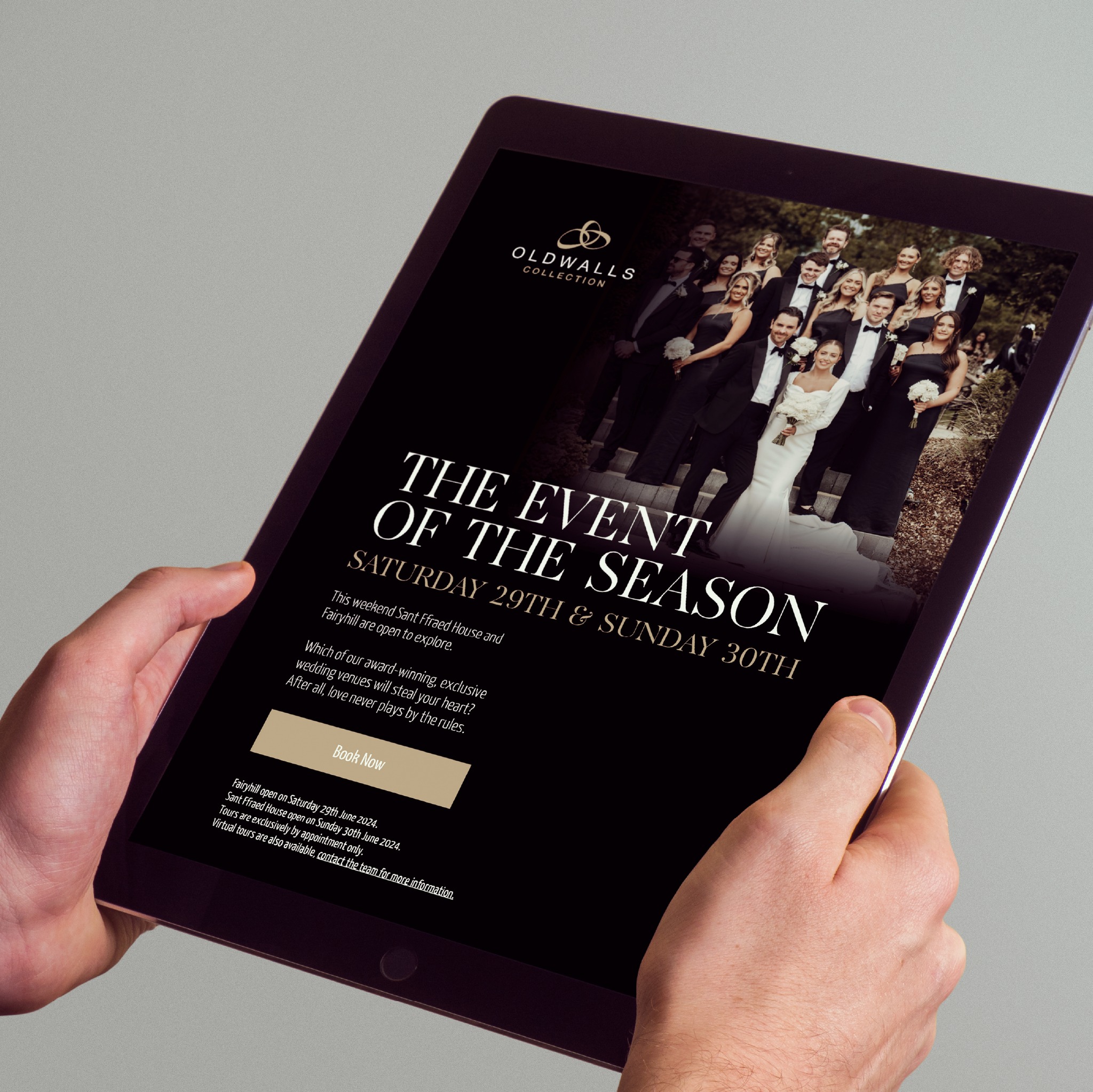 Email is consistently one of the highest-ROI marketing channels available, because it reaches people who have already indicated interest and allows for the kind of segmented, personalised communication that builds genuine relationships over time.
The distinction between email marketing that works and email marketing that does not is simple. A broadcast newsletter that sends the same content to everyone produces low engagement and gradual list erosion. A structured nurture sequence, segmented by interest, timed to the customer journey and connected to real commercial objectives, produces consistent pipeline.
Section 4 — Paid and Performance
21. Paid social
Paid social advertising - promoted posts, sponsored content and targeted ads across LinkedIn, Facebook, Instagram and TikTok, allows businesses to reach audiences beyond their existing following with precision targeting.
The most important distinction in paid social is between amplifying content that is already working organically and spending budget on content that has not proven its resonance. Paid budget applied to organic content that has already demonstrated engagement produces significantly better returns than paid budget on content that was built specifically for the ad.
22. Retargeting
Retargeting advertising reaches people who have previously visited your website or engaged with your content, serving them relevant ads as they browse elsewhere online.
Most people who visit a website do not convert on the first visit. Retargeting keeps your business in front of people who have already demonstrated interest, at the moment they are considering options. It is typically one of the most cost-efficient forms of paid advertising available because the audience has already self-selected as relevant.
23. In-app advertising
In-app advertising places ads within mobile applications, reaching users in a context that is often more relaxed and receptive than traditional search or social environments. It ranges from banner ads within games and utility apps to full-screen video experiences.
For consumer businesses with visually compelling products or strong brand creative, in-app advertising can reach large audiences efficiently. The targeting capabilities vary significantly by platform and the creative format needs to be adapted specifically for the in-app context.
Section 5 — Brand and Offline
24. Events and networking
Face-to-face connection remains one of the most commercially effective forms of business development available, particularly for high-value, relationship-dependent services.
Events work best when attended with a clear commercial objective and a genuine contribution to make, a point of view to share, expertise to offer, introductions to facilitate. The businesses that extract the most commercial value from events are not the ones handing out the most business cards. They are the ones having the most substantive conversations.
25. Direct mail
In an environment saturated with digital communication, physical mail has become genuinely differentiating. A well-designed, well-targeted piece of direct mail arrives in an environment with almost no competition for attention, and for high-value B2B audiences, it signals a level of investment and intention that email cannot replicate.
Direct mail works best when it is genuinely creative, specifically targeted and connected to a clear call to action. Generic flyers produce low returns. Personalised, professionally designed pieces sent to precisely defined audiences produce disproportionate results.
26. Public relations
PR is the process of earning coverage in publications, platforms and conversations that your target audience trusts, building credibility through third-party endorsement rather than paid advertising.
Effective PR in 2026 is built around genuine stories, real results, original thinking, distinctive perspective, rather than promotional announcements. The publications and journalists worth pursuing are those whose audiences align precisely with your target market. And PR earns an additional benefit in 2026 that it never had before: off-site entity authority for AI search, as AI systems cross-reference what your website says against what third parties say about you.
27. Influencer marketing and brand ambassadors
Influencer marketing works when the collaboration is genuinely aligned, when the influencer's audience matches your target market and the content feels like a real recommendation rather than a paid placement.
The most effective influencer partnerships for B2B and professional businesses are not necessarily those with the largest followings. Micro-influencers, with smaller, more engaged, more specifically relevant audiences, typically produce stronger commercial outcomes than mass-market celebrity partnerships. The question is always: does this person's audience trust them on topics relevant to what we offer?
28. Sponsorship
Sponsorship puts your business in front of an audience at a moment when they are engaged, often enjoying themselves and frequently in a positive state of mind. Done well, it builds brand familiarity and association in an environment that feels natural rather than intrusive.
The key to effective sponsorship is precision. Sponsoring events, sports teams, publications or organisations whose audience closely matches your target market produces commercial value. Generic sponsorship for brand awareness alone is expensive and difficult to measure.
29. Outdoor and print advertising
Outdoor advertising, billboards, transport advertising, outdoor digital screens, builds brand awareness within a specific geographic area at scale. It works best for businesses with a physical presence, a broad local target market or a campaign with sufficient creative impact to stop people in their tracks.
Print advertising, in trade publications, industry magazines and relevant specialist media, reaches audiences with a specific interest and typically a higher tolerance for detailed information than digital channels. For professional services and B2B businesses, the right trade publication can be a highly targeted and credible environment.
30. Profile building and personal brand
The most commercially underutilised asset in most businesses is the expertise of the people who run it.
A founder or senior leader who is publicly visible, through LinkedIn, speaking engagements, media features, published articles and genuine thought leadership, creates commercial value that no amount of advertising can replicate. Personal brand builds the kind of trust and familiarity that makes new business conversations significantly easier, because the prospect already has a sense of who you are and what you think before the first call.
In 2026, personal brand is also an AI search asset. AI systems increasingly evaluate "who is saying this?" alongside "what is being said?" Founders and senior leaders with well-structured, consistently expressed digital presence are far more likely to be cited in AI-generated answers relevant to their expertise.
Pulling it together — building a system, not a list
Thirty marketing approaches. Not all of them are right for your business. Most businesses should be doing five to ten of them well rather than thirty of them badly.
The businesses that grow most consistently do not have the longest marketing to-do lists. They have the clearest understanding of which activities are most likely to reach their specific audience at the right stage of the journey, and they build a system around those activities that compounds over time.
Start with the channels where your audience is most active and most receptive. Build the content that serves their specific needs at each stage of their decision-making. Connect each activity to a clear commercial objective and measure against outcomes rather than activity.
When the system is working, growth becomes predictable. That is the goal.
Ross Jones is Co-Founder and CEO of Ouma, a strategic growth partner helping ambitious UK businesses build connected growth systems. Ouma works with businesses across strategy, digital infrastructure, performance marketing, CRM and AI automation.
Summary
This guide covers 30 ways to market a business in 2026, written for ambitious UK businesses ready to invest in marketing with intention. Authored by Ross Jones, Co-Founder and CEO of Ouma, it organises marketing activity across five categories — digital foundations, social media, content and authority, paid and performance, and brand and offline — with practical guidance on what each approach involves, when it works best and how to use it effectively. The central argument is that marketing success comes not from doing the most but from doing the right things within a connected system oriented toward commercial outcomes.
Key takeaways
- Marketing success in 2026 is not about doing the most — it is about doing the right things within a connected system that compounds over time.
- AI search visibility is now a foundational marketing requirement, not an optional extra. Businesses need to be structured for citation by AI systems as well as traditional search engines.
- Each social platform is a distinct ecosystem with a distinct audience and content format — cross-posting the same content everywhere produces poor results on every channel.
- Original thinking and genuine expertise are the highest-value content investments available. Generic content is increasingly filtered out by both search engines and AI systems.
- Personal brand is an underutilised commercial asset — founders and senior leaders with consistent digital presence build the kind of trust that advertising cannot replicate.
- Most businesses should focus on doing five to ten marketing activities exceptionally well rather than thirty activities at average standard.
- Every marketing activity should connect to a clear commercial objective and be measured against outcomes rather than activity metrics.
FAQs
- What are the most effective ways to market a business?
The most effective marketing approaches in 2026 are those that are most precisely matched to your target audience's behaviour and your commercial objectives. For most B2B businesses, the highest-return combination is: a well-structured website optimised for AI and traditional search, consistent founder-led LinkedIn content, Google Ads targeting high-intent keywords, email nurture sequences for inbound leads, and targeted direct outreach to defined ICP lists. The specific mix varies by sector, audience and stage of growth — but the principle is the same: fewer activities done exceptionally well outperform many activities done averagely. - How much should a business spend on marketing?
Marketing investment varies significantly by sector, stage of growth and commercial objectives. A commonly cited benchmark for established businesses is 5–10% of revenue allocated to marketing, rising to 10–20% for businesses in aggressive growth phases. More important than the total budget is how it is allocated — the businesses generating the strongest returns are those that concentrate spend on the highest-intent channels and measure commercial outcomes rigorously rather than distributing budget across too many channels without clear attribution. - What is the difference between marketing and advertising?
Marketing is the broader strategy — understanding your audience, defining your positioning, building the systems and content that attract and convert the right people. Advertising is a subset of marketing — the paid placement of messages in front of defined audiences. Advertising without a clear marketing strategy tends to produce low returns because it lacks the positioning clarity, audience understanding and conversion infrastructure that makes paid spend work efficiently. - How do I choose which marketing channels to focus on?
Start with your audience. Where do they spend time? What kind of content do they consume? At what point in their decision-making journey are they most receptive to your message? The answers to those questions will tell you which channels are worth prioritising. Then start with two or three channels and build genuine capability in those before expanding. Spreading resource too thin across too many channels is one of the most common and expensive marketing mistakes growing businesses make. - What is the most important marketing investment for a growing business?
The most consistently undervalued marketing investment is a properly built website with strong content — because it is the asset that every other marketing activity points toward, and the environment in which most decisions to engage or walk away are made. A business that invests heavily in paid advertising or social media but has a weak website is filling a leaking bucket. Fix the conversion infrastructure first, then scale the activity that feeds into it. - How has marketing changed in 2026 compared to previous years?
The most significant change is the use of AI. From the use of AI search, and AI generated content and artefacts. A growing proportion of search queries are now answered directly by AI tools without the user clicking through to any website. This changes the commercial value of different types of content — generic, thin content is increasingly invisible, while specific, authoritative, well-structured content earns citations from AI systems and builds visibility in a way that compounds over time. Marketing in 2026 requires both traditional channel expertise and an understanding of how to build authority that AI systems can understand, trust and cite.