Maybe we don't miss the past. We miss how life once felt.
Nostalgia is one of the most emotion-invoking angles in marketing, but most brands use it wrong. Rachel Lyndon-Jones on the psychology behind nostalgia marketing, the brands doing it brilliantly, how Gen Z inherited nostalgia for eras they never lived through, and what it means for how you build and position products.
By Rachel Lyndon-Jones · 2026-07-02 · 8 min read

Maybe the reason nostalgic marketing styles hit us so hard is because it reminds us of something we lost.
While we live through ever-changing advancements in technology, we regress in our humanity. We can reach anyone instantly, yet we've never felt more alone.
Life used to be filled with bike rides and Blockbuster movie nights, conversations around kitchen tables and ball games in back gardens, when Saturday morning television was a treat. It was the smell of a particular brand of washing powder, 7777 66 2 55 33 on a Nokia 3310, the sound of a dial-up connection that somehow managed to feel exciting rather than slow.
Now, life happens online. In notifications. In our inboxes. In the blue light of a screen at midnight.
The faster the world moves, the more we crave slowing down. And nostalgia, that particular ache for something you can't quite name, has become one of the simplest ways for brands to connect with their audience.
What nostalgia actually is
Nostalgia isn't simply a love of all things retro. Psychologically, it is something more specific and more significant than that.
The University of Southampton defines nostalgia as a sentimental longing for a personally meaningful past, one that tends to increase feelings of social connectedness, self-continuity and meaning. When people feel nostalgic, they don't just remember a time. They reconnect with a version of themselves that felt more grounded, more certain, more present.
This is why nostalgia works so well in marketing, it sells a feeling. A feeling we long for.
When we're presented with infinite choice, relentless stimulation and chronic disconnection, nostalgia offers something rare; the certainty of something we already loved. A known quantity at a time when we feel unstable. The shortcut to trust in an era when trust is harder to build than it's ever been.
The brands that capitalise on nostalgia
Vinyl records. A £1.6 billion industry that refused to die
In 2023, vinyl record sales in the UK overtook CD sales for the first time since the 90s. When we have Spotify, Apple Music and 100 million songs available instantly on any device, people are paying £30 on average for a physical object that requires a specific piece of equipment, takes up space and occasionally skips.
Why? Because the ritual matters. The act of choosing a record, removing it from its sleeve, placing the needle. The warm analogue sound. The album artwork held in your hands. It forces you to stop, sit and listen. When our lives are so full of background noise, it creates an experience. It provides presence.
Taylor Swift understands this instinctively. Her album releases include multiple vinyl variants, coloured pressings and exclusive editions. The record becomes a cultural artefact, something to own, display and share, not just stream and forget. Her Eras Tour vault tracks sold out vinyl pre-orders within minutes. The product is nostalgia monetised at scale.
 Stanley cups and the water bottle that became a cultural object
The Stanley brand was founded in 1913. For most of its history it was a workwear brand. Flasks for construction workers, military personnel, people who needed something that lasted. Functional. Invisible. Unremarkable to anyone outside its core audience.
Then Stanley leaned into its heritage. The Quencher tumbler, originally launched in 2016 and nearly discontinued, was revived in 2020 with a focus on the brand's century-old identity. The craftsmanship. The permanence. The idea that good things are built to last rather than designed to be replaced.
Sales went from approx $70 million to over $750 million in three years.
The product hadn't changed significantly. The story had. Stanley was no longer selling a water bottle. It was selling the antidote to disposability. A deliberate counter-signal to a culture of fast fashion and planned obsolescence. When everything feels temporary, Stanley offers permanence. That is a nostalgia play built not on a specific decade but on a set of values that feel increasingly rare.
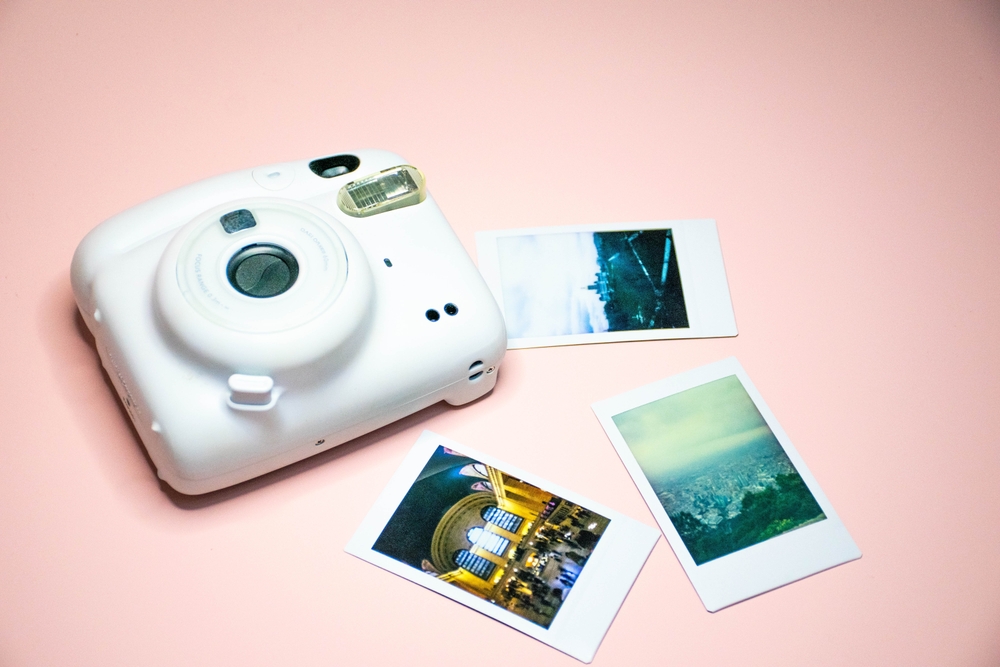
Polaroid. The imperfect image in a world of infinite perfection
Every smartphone now carries a camera capable of producing technically flawless photographs. Portraits with perfect skin, landscapes with perfect exposure, filters that correct every imperfection before the image is even saved.
Polaroid should be dead. Yet, it's growing.
Polaroid Originals, relaunched in 2017 after the brand's near-extinction, now sells to a predominantly Gen Z audience who have never known a world without digital cameras. The appeal is not the image quality, which is objectively worse than a phone camera. The appeal is the imperfection. The unpredictability. The physicality of a photograph that develops in your hands and exists as a singular object rather than one of ten thousand files on a device.
Polaroid sells the opposite of what social optimises for. And that opposition is precisely the point.
Its campaigns rarely focus on product features. They focus on moments, real, imperfect, unrepeatable, tangible moments, in a visual that's deliberately lo-fi, deliberately warm, deliberately human. Their messaging says; not everything needs to be perfect. Some things just need to be real.
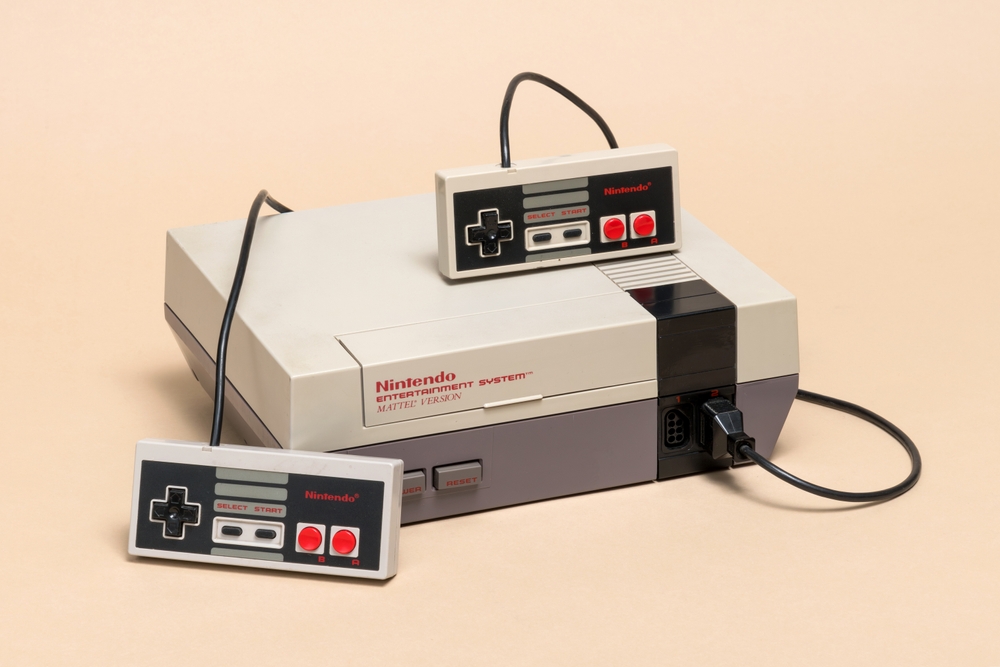
 Nintendo and the console that fits in your pocket
When Nintendo released the NES Classic in 2016, a miniature version of the original 1985 console, preloaded with 30 games and selling for £49.99, it sold out within hours and remained impossible to find at retail price for months. Secondary market prices reached three to four times the retail cost.
The NES Classic wasn't a new type of tech. It offered nothing a regular gaming PC couldn't do better. It wasn't even compatible with any new content. It was a perfectly packaged delivery of a specific feeling - Saturday mornings, simpler problems, and the specific joy of Super Mario when the world was new.
Nintendo has returned to this repeatedly. The SNES Classic. The Game Boy replica. The continued cultural relevance of characters like Mario, Link and Pikachu who have existed for forty years without ever losing their commercial power.
Emotional associations, built over decades of genuine connection, are extraordinarily durable commercial assets. The brand invested in experiences that would produce nostalgia, and then waited for the cultural conditions to make it valuable.
 Dr. Martens, Levi's and the brands that outlived their moment
Some brands do not revive nostalgia. They embody it so consistently that they become permanent cultural reference points.
Dr. Martens were worn by factory workers in the 1960s, adopted by skinheads, claimed by punk, absorbed by grunge, and rediscovered by every subsequent generation looking for a symbol of authentic non-conformity. The boot has barely changed in sixty years. The cultural meaning has been rewritten by each generation that adopts it.
Levi's 501s have been manufactured since 1873. They're currently sold to teens and twenty-somethings who didn't live through the brand's most iconic advertising campaigns. Yet the brand feels perpetually relevant, not because it chases trends but because its identity is so clearly rooted in something real that each new generation finds its own reason to adopt it.
These brands understand something that most trend-chasing marketing misses entirely. Most things are temporary, but the brands have genuinely lasted carry an authority that cannot be manufactured.
Heinz, McVitie's and the emotional weight of the ordinary
Not all nostalgia marketing requires heritage products or iconic design. Sometimes the most powerful nostalgia attaches itself to something completely ordinary.
Heinz Beans. McVitie's digestives. Walkers crisps in their original flavours. Cadbury's Dairy Milk before the recipe changes that provoked genuine public outrage. Birds Eye fish fingers. Heinz tomato soup.
 These aren't luxury items. They aren't aspirational in any conventional sense. But they carry an emotional weight entirely disproportionate to their price point; because they are the taste of being looked after. Of childhood kitchens. Of being somewhere safe.
When Heinz runs campaigns centred on the tin rather than the contents, it isn't selling baked beans. It's selling the memory of someone making them for you. When McVitie's leans into its 1980s television heritage, it isn't selling a biscuit. It's selling a particular Tuesday afternoon feeling that most of its audience can't quite name but immediately recognises.
The product delivers on the promise. It tastes the same because it tastes like home. Consistency, in this context, isn't a failure of innovation. It's the entire point.
Why Gen Z is driving nostalgia culture
There's something worth taking a moment to reflect on here.
The generation most visibly driving nostalgia culture; Y2K fashion, early 00s aesthetics, disposable cameras, flip phones as fashion objects, the re-emergence of MySpace-era visual language, is the generation that barely saw the original cultural moments they're recreating.
For Gen Z, nostalgia isn't personal memory. It's an inherited feeling. The emotional residue of a time that felt slower, more tactile, less surveilled. A time before the internet was inescapable. Before we were expected to document every moment. Before the pressure to be perpetually visible, productive, permanently on.
The brands that will capture this most effectively aren't the ones that most accurately recreate the aesthetics of 1995 or 2003. They're the ones that genuinely deliver the feeling those aesthetics represent. Slowness. Craft. Physicality. Imperfection. The sense that something was made with care for a person, not optimised for scale.
What this means for marketers
Nostalgia isn't a trend. It's a signal.
When people reach for the past, they're reaching for presence. For simplicity. For the feeling of mattering in a specific, physical, unhurried way. For proof that something was built to last rather than designed to be replaced.
The brands capitalising on nostalgia aren't doing so because they've been around for centuries. They're succeeding because they understand the emotional gap that the internet and modern culture had created, and they fill it with intention.
For marketers, the takeaway is this: before you ask what your product does, ask how it makes people feel. Before you optimise for reach and efficiency, ask whether the experience you are creating is one that will earn genuine emotional attachment. Before you chase the next trend, ask whether you are building something that will still matter when the trend has passed.
The most valuable thing a brand can earn isn't awareness. It's a feeling.
Rachel Lyndon-Jones is CMO and Co-Founder of Ouma, a strategic growth partner helping ambitious UK businesses build connected growth systems. Rachel's work sits at the intersection of marketing psychology, brand trust and commercial strategy, helping businesses understand not just what to do, but why it works.
Summary
Authored by Rachel Lyndon-Jones, Co-Founder and CMO, Ouma
Nostalgia is not a sentimental indulgence — it is one of the most commercially powerful forces in modern consumer behaviour, and the brands that understand why are winning in ways that trend-chasing competitors cannot replicate. Rachel Lyndon-Jones draws on University of Southampton psychology research and real brand performance data to argue that the nostalgia economy is a direct response to what modern life is failing to provide: presence, simplicity, tangibility and genuine human connection. From vinyl's revenue revival and Stanley's tenfold growth to Polaroid's Gen Z renaissance and Nintendo's sell-out retro console, the piece examines what these brands have in common — and what marketers and product creators can learn from it. The conclusion is clear: the most valuable thing a brand can earn is not awareness. It is the feeling of coming home.
Key takeaways
- Nostalgia is not about the past — it is about the gap. People are not reaching for specific decades. They are reaching for a quality of experience — presence, slowness, tangibility, genuine connection — that modern life is increasingly failing to deliver. That gap is the commercial opportunity.
- University of Southampton research confirms nostalgia is psychologically functional. It elevates mood, rebuilds social connectedness, increases meaning in life and reduces loneliness. Brands that trigger it are not just selling emotion — they are meeting a genuine psychological need.
- The vinyl correction matters for the blog — update the line before publishing. Vinyl overtook CDs as the UK's leading physical format by revenue in 2023, reaching its highest unit sales since 1990. It did not outsell CDs by volume.
- The brands winning with nostalgia fall into two categories: those with genuine heritage who have invested in consistent emotional associations over decades — Levi's, Dr. Martens, Heinz, Nintendo — and those who identified the emotional gap in modern life and positioned their product as the answer — Stanley, Polaroid. The common thread is authenticity, not aesthetics.
- Stanley's $70M to $750M growth in four years was not a product story. It was a values story — permanence and craftsmanship in a culture of disposability. The product barely changed. The framing did everything.
- Gen Z nostalgia is inherited, not personal. They are not remembering the past — they are craving what it represents. Brands that understand this are selling a feeling, not a decade. That is an opportunity for any brand regardless of age or heritage.
- The most durable brands do not chase nostalgia as a trend. They build experiences so genuine that they earn emotional attachment — and then wait for the cultural conditions to make that attachment valuable. Nintendo invested in experiences. The nostalgia came later.
FAQs
- Why is nostalgia such a powerful marketing tool?
Nostalgia triggers feelings of social connectedness, self-continuity and meaning — psychological states that modern life increasingly struggles to provide. When people feel nostalgic, they reconnect with a version of themselves that felt more grounded and more certain. For brands, this creates a shortcut to trust and emotional attachment that conventional advertising cannot replicate at any budget level. - Which brands use nostalgia marketing most effectively?
Brands that use nostalgia most effectively tend to fall into two categories: those with genuine heritage who have invested in consistent emotional associations over decades (Levi's, Dr. Martens, Heinz, Nintendo), and those who have understood the emotional gap in modern life and positioned their product as the antidote (Stanley, Polaroid, vinyl record labels). The common thread is authenticity — nostalgia marketing fails when it is purely cosmetic. - Why are younger generations nostalgic for eras they did not live through?
Gen Z nostalgia for Y2K aesthetics, disposable cameras and early internet culture is not about personal memory — it is about inherited feeling. The appeal is not the specific decade but what that decade represents: a quality of life that felt slower, more tactile and less surveilled than the always-on, algorithmically mediated present. Brands that understand this are selling a feeling, not a period. - How can a brand use nostalgia without feeling cynical or manufactured?
By connecting the nostalgic element to something genuinely true about the product or the brand. Nostalgia marketing fails when it is purely aesthetic — a retro logo or a vintage-style campaign that has no connection to the actual experience the product delivers. It works when the nostalgic feeling the brand evokes is something the product genuinely provides: slowness, craft, permanence, imperfection, the sense of being made for a person rather than optimised for a market. - Is nostalgia marketing only relevant for heritage brands?
No. New brands can use nostalgia by tapping into universal emotional states rather than specific brand history. The appeal of craft beer over mass-produced lager, of independent bookshops over Amazon, of farmers' markets over supermarkets — none of these require decades of brand heritage. They require an understanding of what people are hungry for that the dominant culture is not providing. That hunger is the opportunity, regardless of how old the brand is.