The attention economy: who's winning & who's lost in the noise
Attention isn't just a commodity - it's the most valuable currency in marketing. Brands, creators, and platforms are competing harder than ever to keep audiences engaged - but not everyone is winning the fight for our attention.
By Rachel Lyndon-Jones · 2026-03-24 · 5 min read
The battle for attention in a distracted world
As social users we're filtering out the irrelevant, skipping the uninspiring, and rewarding the brands that truly capture their interest. So, who's mastering the art of engagement, and who's struggling to break through?
Today we're diving into the key trends shaping the attention economy and the brands that are driving the currency value through the roof.
Brands & creators who command attention
The rise of edutainment
Gone are the days when brands could simply sell products. The smartest brands are combining education and entertainment to keep us hooked. Think TikTok explainers, LinkedIn thought leadership, and those saveable Instagram carousel posts that make complex topics digestible.
Duolingo uses humour, sass, and audience interactions to keep users engaged. Breaking down complex language learning into engaging, viral content.
The daily prompts keep users aligned and, humble brag, I've reached Level 2 in Greek and Level 3 in French!
The brands that are everywhere
The best brands are visible across multiple touch points without exhausting their audience. They seamlessly integrate their messaging across social media, email, search, and offline experiences.
Apple and Nike balance inspirational content with product storytelling. Keeping their brands aspirational while subtly integrating their products into everyday conversations.
Attention loop
People don't just consume content in one format anymore. Brands are repurposing ideas into short-form, long-form, visual, and interactive content to keep audiences engaged longer.
How we're doing it:
A TikTok explainer that turns into a LinkedIn deep dive.
A viral tweet that becomes an Instagram infographic.
A long-form YouTube video that fuels a blog and podcast discussion.
Brands lost in the digital noise
The overly polished, underwhelming brands
Too perfect, too corporate, too boring. Brands that still rely on rigid, overproduced marketing are losing ground to brands that embrace raw, authentic, and relatable content. Consumers, especially Gen Z and Millennials, are hyper-aware of marketing tactics and can see straight through brands that appear overly controlled or scripted and lacking real substance. They crave relatability, imperfection, and human connection - not staged perfection.
Pepsi's Kendall Jenner Ad was a masterclass in missing the mark.
I'm sure you remember this extremely awkward campaign, but just in case it's slipped your mind, here's a recap: In 2017 Pepsi's protest-themed ad featuring Kendall Jenner was nothing short of a PR disaster. The advert attempted to position Pepsi as a symbol of unity and activism, but instead, it came off as tone-deaf, performative, and out of touch with real social justice movements.
Watch if you want to cringe so badly you'll feel the urge to hide under your desk.
Why didn't it work?
It was too perfect, and came across as entirely fake: the highly polished visuals and scripted nature made it feel forced and inauthentic.
Oversimplified a complex issue: the idea that a can of Pepsi could resolve deep-rooted societal tensions was not only unrealistic but offensive to many.
Ignored audience sentiment: instead of resonating with consumers, it sparked backlash, memes, and criticism for co-opting activism for commercial gain.
Brands need to take a clear stance instead of just appearing socially conscious. Would you rather be perfect or unforgettable (for the right reasons)?
Too much, too fast
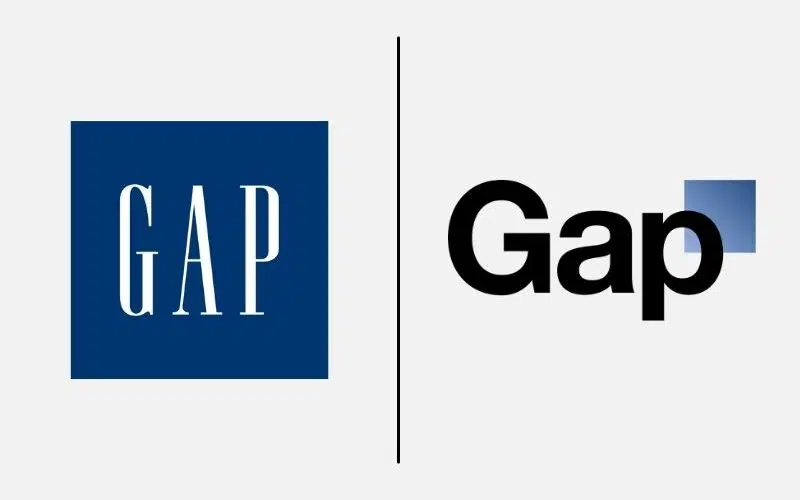 In 2010, Gap infamously rebranded with a new logo and flooded social media with the change - without explaining the reasoning behind it.
Posting constantly but with no clear strategy is a surefire way to get lost in the algorithm. Some brands mistake volume for value, but flooding social media feeds with low-value, repetitive, or unfocused content is a fast track to irrelevance. Content without a strategy is simply noise.
Gap's chaotic and short-lived social media rebrand (and quick reversal) is a prime example of aiming to become relevant with quick-win activity and forgetting to communicate purpose.
Why didn't it work?
The brand identity shift felt rushed, causing confusion and backlash from loyal customers.
Instead of a strategic content rollout, Gap spammed social media with posts, trying to overcompensate for the lack of real brand storytelling.
Within six days, they reverted to their original logo - after customers overwhelmingly rejected the change.
The strategies that will grab attention in 2026
The era of interactive content
We don't just want to passively watch content, not all the time, we want to engage with it. The best brands are creating interactive, two-way experiences that keep audiences involved. When we interact with a brand, we remember it.
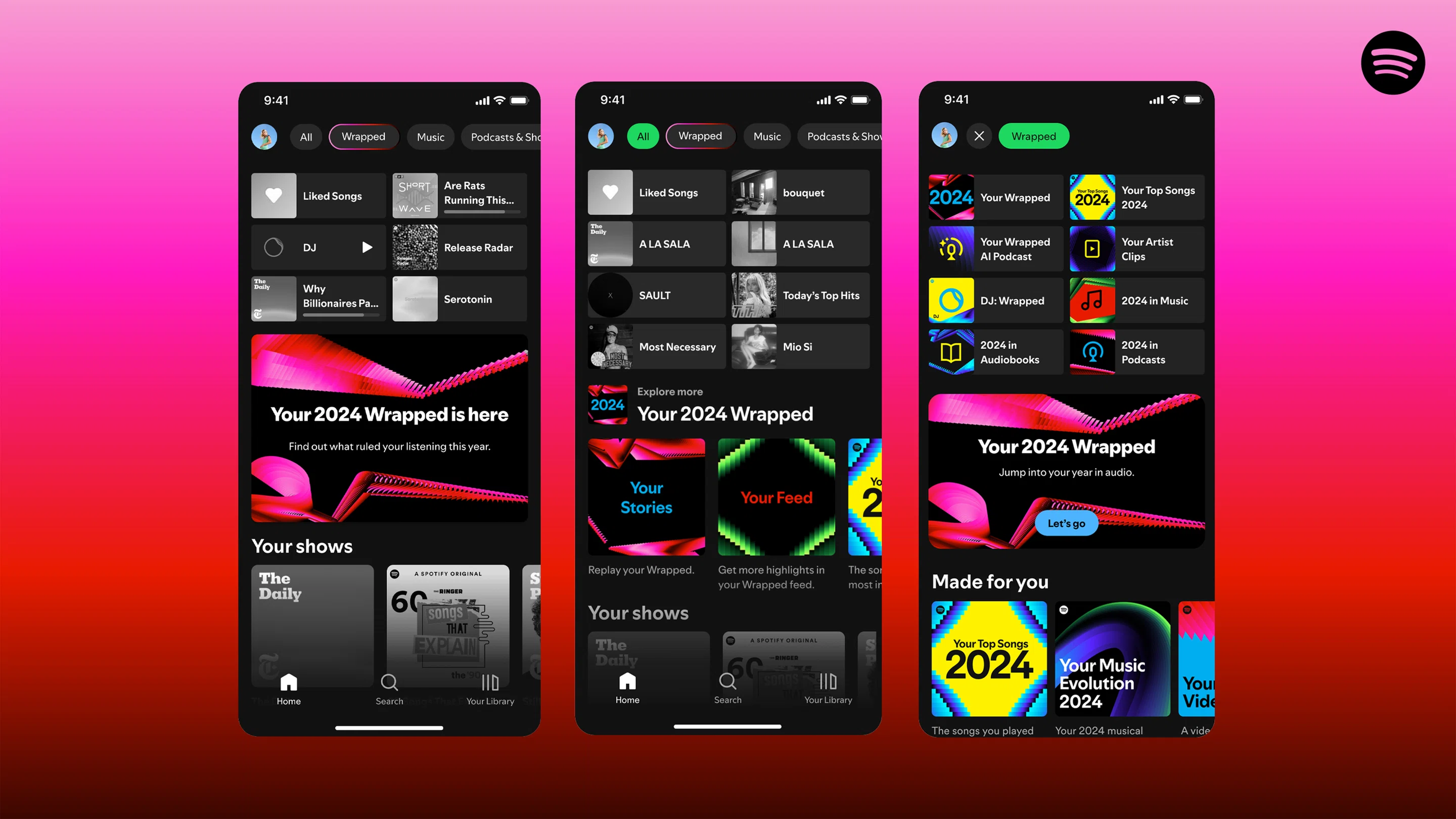
Every year, Spotify Wrapped dominates social media by turning user data into an interactive, shareable experience. Spotify Wrapped encourages social sharing and makes customers feel a sense of belonging with its personalisation and interactive elements.
 Why it works:
Personalised and shareable. Users get a custom experience, making it fun, engaging and viral.
Gamification. Spotify Wrapped turns our music listening habits into an interactive journey, including quizzes, badges, and trend comparisons. And honestly, I'm low key proud to be in Taylor Swift's top 0.1% every year since it launched.
Encourages UGC. The shareability of Wrapped makes it one of the most talked-about digital campaigns every year. Is there anyone on Spotify who doesn't post their Wrapped to Insta stories at a minimum?
Storytelling over selling
The best brands are mastering the art of storytelling to create emotional connections. Whether it's through short-form TikToks or long-form branded documentaries, stories make people stop scrolling.
Instead of saying, 'here's our product, buy it', brands are focusing on narrative-driven marketing that evokes emotion and builds a deeper connection.
Guinness' Made of More campaign took a deeply emotional and inspirational approach.
The Made of More series featured real, moving stories that aligned with their brand ethos of strength, camaraderie, and resilience.
Why it works:
Emotional storytelling > product pushing. Guinness prioritises narrative over hard selling, making people feel connected to the brand.
Aligns with brand identity. The stories reinforce Guinness's core values: strength, character, and resilience.
Universal themes of friendship, perseverance, and self-expression resonate with audiences worldwide.
Creates shareable, viral moments. These ads feel more like mini documentaries than commercials, making them more watchable, memorable, and shareable.
Attention is earned, not bought
Attention isn't something brands can just demand, it has to be earned. The best brands aren't shouting louder; they're speaking smarter, engaging deeper, and creating content that makes audiences stop, think, and feel something.
As attention spans reduce and digital culture evolves, brands that embrace entertainment, interactivity, and emotional storytelling will win. Those that cling to outdated strategies, generic content, and passive advertising? They'll keep losing ground as we scrolls fast and forget even faster.
Rachel Lyndon-Jones is Co-Founder and CMO of Ouma, a strategic growth partner helping ambitious UK businesses build connected growth systems. Rachel's work sits at the intersection of marketing psychology, brand trust and commercial strategy, helping businesses understand not just what to do, but why it works.
Summary
As attention spans reduce and digital culture evolves, brands that embrace entertainment, interactivity, and emotional storytelling will succeed.
Attention isn't something brands can just demand - it has to be earned. The best brands aren't shouting louder; they're speaking smarter, engaging deeper, and creating content that makes audiences stop, think, and feel something.
Key takeaways
- Polished perfection is out - real, relatable, and raw is in.
- Winning brands repurpose content across multiple formats, turning TikTok clips into LinkedIn deep dives and YouTube videos into blog discussions, to keep audiences engaged.
- Renowned brands like Apple and Nike maintain visibility across multiple touch points, integrating messaging seamlessly without overwhelming their audience.
- Make your audience part of the content, not just passive consumers.