Your winning email campaign sequence | Ouma's Guide
If used correctly, an email campaign sequence is one of the most reliable ways to connect with customers, build trust and drive repeat sales. Used badly, as a scattered set of one-off sends with no structure, it becomes noise your subscribers learn to ignore. The difference isn't the platform you use. It's whether your emails are part of a connected system: the right message, triggered at the right moment, backed by CRM data that tells you who's ready to hear it.
By Ross Jones · 2026-06-16 · 4 min read
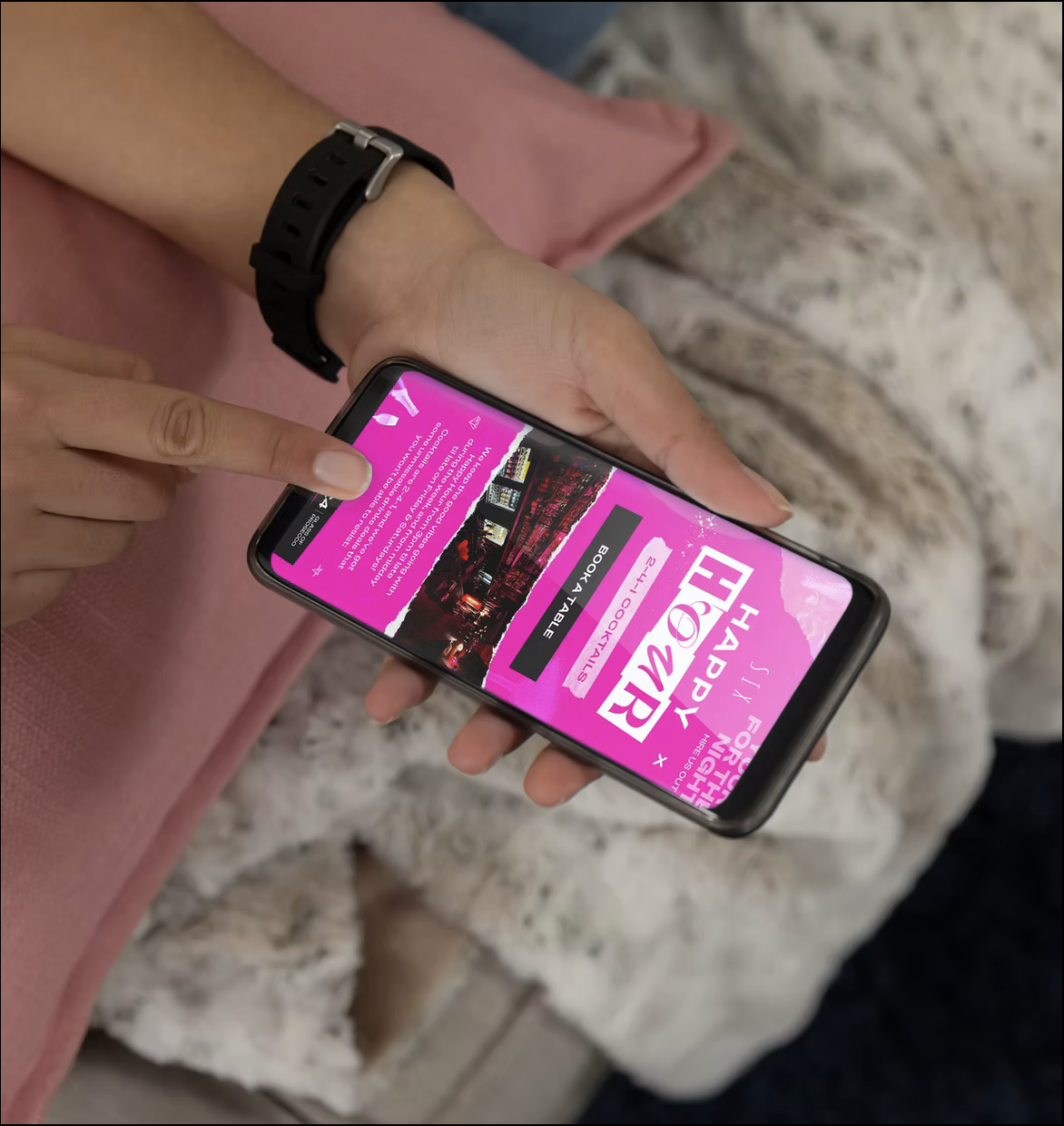
The core email campaign sequence
This is the email campaign sequence we return to time and again, because it mirrors how a customer relationship actually develops, from first contact through to long-term loyalty.
1. Welcome email
The first email a new subscriber receives after opting in. This isn't just a formality — it's your first chance to introduce your brand, set expectations for what they'll receive, and start building trust before you ask for anything.
2. Refer-a-friend email
Once a new customer has settled in, encourage them to bring others with them. A referral offer that benefits both the customer and the person they refer tends to outperform one-sided incentives.
3. Abandoned cart email
This one sits outside the fixed sequence, send it as needed, not on a schedule. It reminds customers of items left behind before they've had time to lose interest.
Tip: use incentives sparingly. Offer a discount on every abandoned cart email and savvy shoppers will learn to abandon deliberately, waiting for the offer rather than completing the purchase at full price.
4. Customer loyalty email
Reward your most engaged customers with exclusive offers or early access to sales. This is where retention starts to compound, loyal customers cost less to keep than new customers cost to acquire.
5. Post-purchase email
A follow-up after a purchase, asking for a review and offering an incentive toward the next one. This is one of the simplest ways to turn a single transaction into a relationship.
6. Win-back email
For customers who've gone quiet. A well-timed offer, or a short survey asking what changed, can re-engage a customer before they're lost for good, and the feedback itself is valuable even if they don't return immediately.
7. Up-selling email
Targeted at customers who've already bought a specific product, offering something complementary or an upgrade. This works because it's relevant, not because it's frequent.
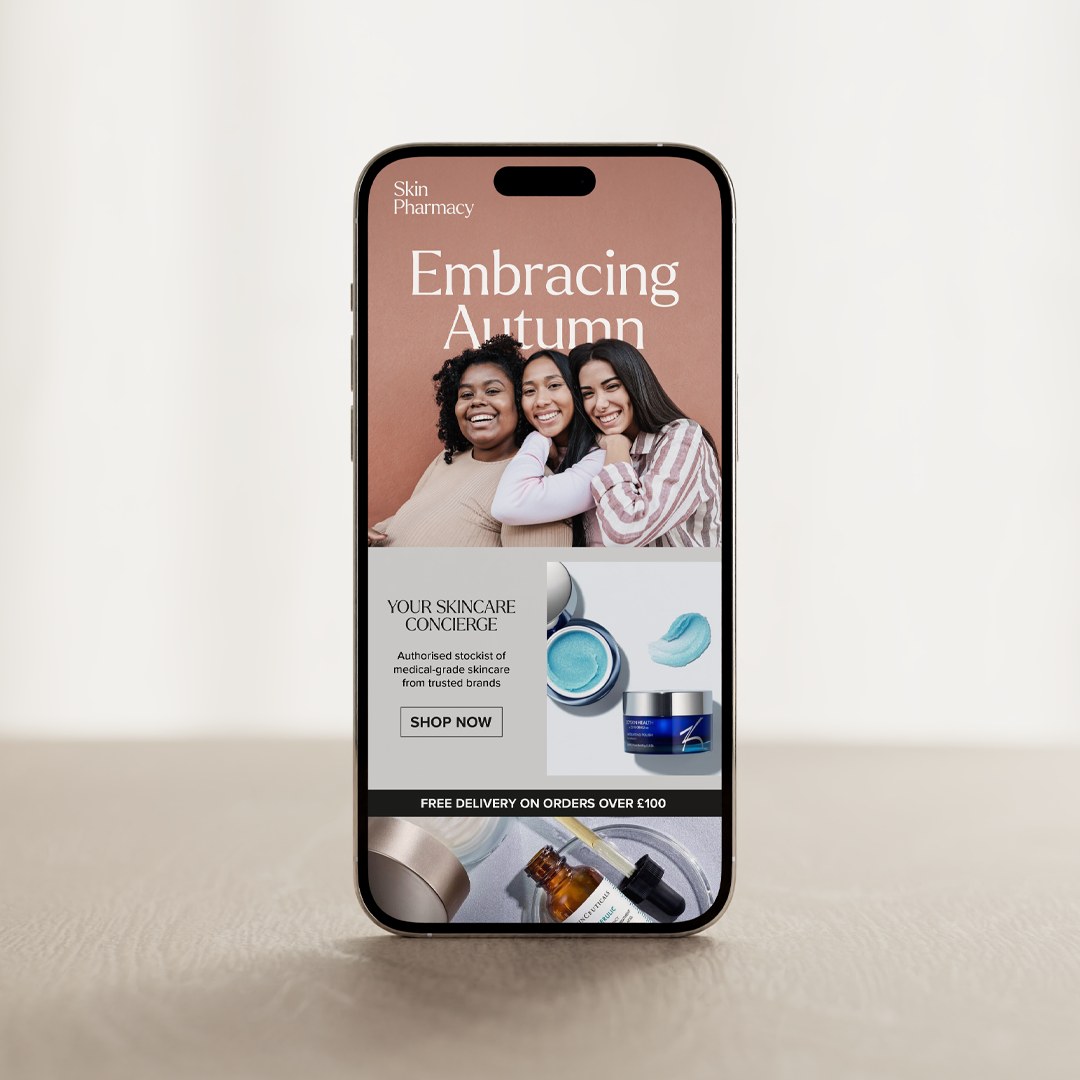
One-off emails worth preparing in advance
Alongside the core sequence, it's worth having templates ready for moments that don't fit a fixed cadence:
Product launch email — a teaser followed by an exclusive pre-order offer
Sale or clearance email — with a specific incentive for subscribers
Birthday email — personalised, with a birthday discount
Special occasion email — seasonal or festive, with a themed offer
Event invitation email — for sales events, conferences or exhibitions
Educational email — how-to guides, product demos, useful tips
Newsletter — a regular round-up of news, products and updates
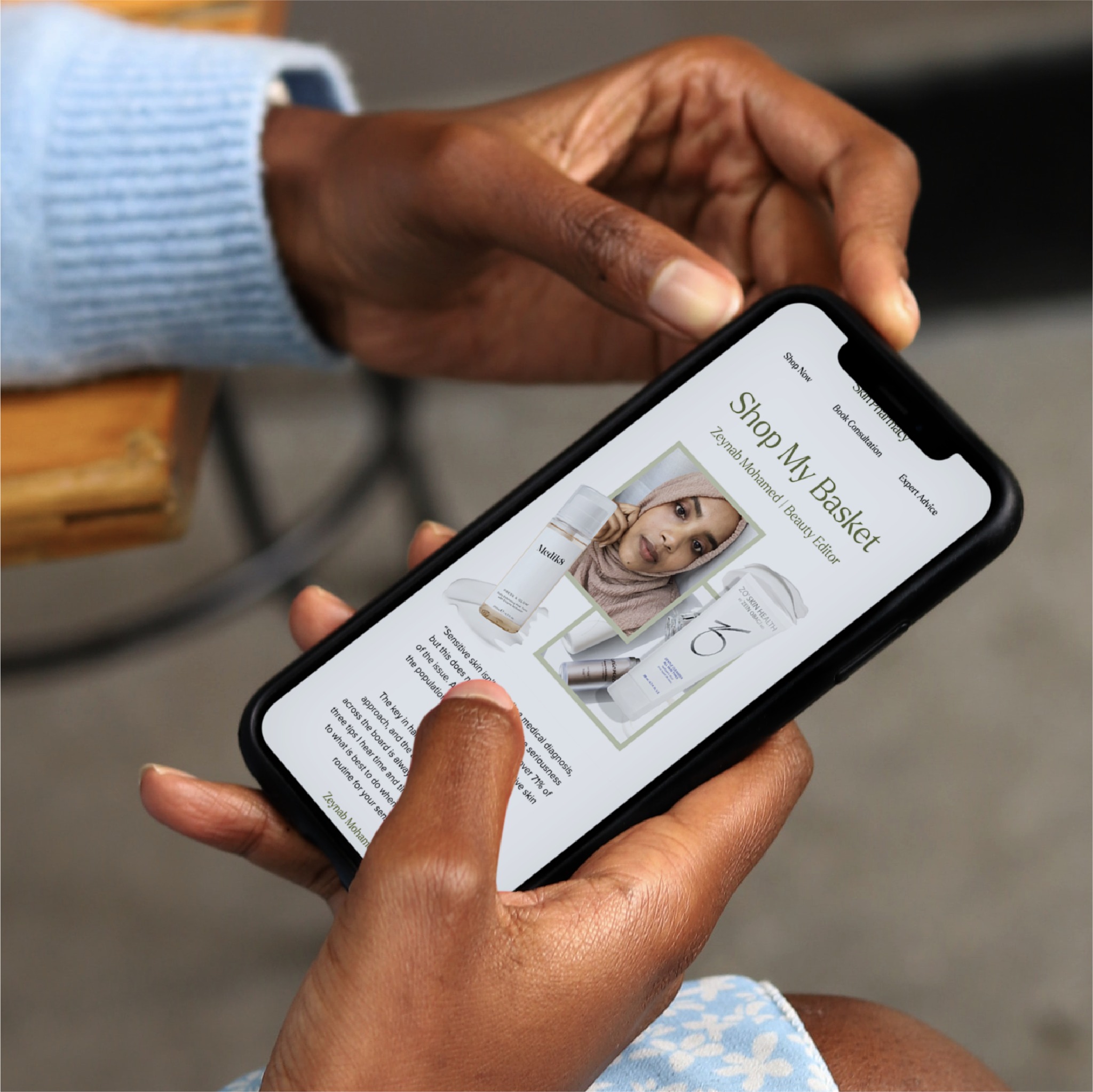
Why segmentation matters more than the sequence itself
The single biggest factor in whether an email campaign sequence performs isn't the copy or the design, it's whether the right message reaches the right person. Segmenting your audience by behaviour, purchase history or stage in the customer journey, and tailoring your messaging accordingly, consistently outperforms a one-size-fits-all send.
How email marketing, CRM lead management and lead nurturing fit together
This is where a lot of businesses get stuck, not because any one of these disciplines is difficult on its own, but because they're often bought, built or managed separately, when in reality they're one connected system.
Email marketing is the delivery mechanism, the emails themselves. It's what a subscriber actually sees: the welcome message, the abandoned cart reminder, the newsletter. On its own, email marketing can only be as good as the data and timing behind it.
CRM lead management is where that data lives. It's the system that tracks who your contacts are, what stage they're at, what they've engaged with, and what should happen next. Without this, email campaigns are guesswork, sent on a fixed schedule rather than triggered by what a customer actually does.
Lead nurturing journeys are the strategy layer that connects the two. A nurturing journey defines the path a lead takes from first contact to conversion and beyond, into loyalty and advocacy, and determines which email fires at which point in that path, based on CRM data.
Put simply: your CRM tells you who someone is and where they are. Your lead nurturing journey decides what should happen next. Email marketing is how that decision gets delivered.
A business with strong email copy but no CRM segmentation will send the right message to the wrong person. A business with a well-built CRM but no nurturing strategy will have all the data and no plan for using it. Growth comes from all three working together, not from picking the best-looking piece in isolation.
Rachel Lyndon-Jones is Co-Founder and CMO of Ouma, a strategic growth partner helping ambitious UK businesses build connected growth systems. Rachel's work sits at the intersection of marketing psychology, brand trust and commercial strategy — helping businesses understand not just what to do, but why it works.
Summary
This guide explains how to structure an effective email campaign sequence, from welcome emails through to win-back campaigns, and clarifies how email marketing, CRM lead management, and lead nurturing work together as connected parts of one growth system rather than separate tactics.
Key takeaways
- A structured email campaign sequence — welcome, referral, abandoned cart, loyalty, post-purchase, win-back, up-sell — builds relationships in a way sporadic sends never will.
- Occasion-based emails (launches, sales, birthdays, events) deserve dedicated templates, not last-minute writing.
- Email marketing, CRM lead management and lead nurturing are three distinct disciplines that only deliver results when connected.
- Segmentation is the single biggest lever for performance — more important than subject lines or send times.
- Disconnected email activity creates noise. A connected system creates momentum.
FAQs
- How many emails should be in a welcome sequence?
There's no fixed number, but most effective welcome sequences run to three or four emails: an introduction, a value-led follow-up, a nudge toward a first purchase or action, and a final email setting expectations for what's next. - How can businesses encourage customers to complete abandoned carts?
Businesses can send abandoned cart emails, offering a special incentive occasionally, but not every time to prevent customers from expecting discounts. - How often should I send win-back emails?
This depends on your typical purchase cycle, but a common approach is to flag a contact as inactive after 60–90 days without engagement, then send one win-back email before moving to a longer-term re-engagement or removal path. - Do I need a CRM to run an email campaign sequence?
You can run a basic sequence without one, but you'll be limited to fixed timing rather than behaviour-based triggers. A CRM is what allows an abandoned cart email to fire because someone abandoned a cart — rather than because a set number of days has passed. - What's the difference between a nurturing journey and a newsletter?
A newsletter is a single, scheduled send to your whole list. A nurturing journey is personalised and triggered — different contacts receive different emails, at different times, based on where they are in their relationship with your business. - How do I know if my email campaign sequence is working?
Look beyond open rates. Conversion rate, revenue per email, and how quickly leads move through your nurturing journey are stronger indicators of whether the sequence is actually driving commercial outcomes.