What businesses get wrong about digital transformation
Digital transformation' has become shorthand for buying a new tool and calling it done. Here's the difference between adopting software and actually rebuilding the operating system underneath your business.
By Ouma · 2026-08-21 · 4 min read
Digital transformation has a bad reputation, and it's earned.
Somewhere along the way, 'digital transformation' started meaning: buy some software, roll it out, hold a training session, call it done. A business implements ClickUp, migrates from spreadsheets to a CRM trial, sets up a Slack channel, and reports back that they've 'transformed'.
They haven't.
They've adopted a tool.
Those are not the same thing.
Where the term went wrong
Software vendors are, understandably, not going to sell you 'a mild productivity improvement'. They sell transformation. So every project management tool, every CRM, every reporting dashboard gets marketed as transformative, and businesses start using the word to describe the tool itself, rather than what the tool was supposed to enable.
The result: a business can genuinely believe it's been through digital transformation because it now pays a monthly subscription for ClickUp. Nothing about how work actually happens has changed. The same information still lives in three disconnected places. The same person still manually cross-references data before every decision. The only thing that's changed is which browser tab that manual work happens in.
That's not transformation. It's substitution.
The distinction that actually matters: tool vs operating system
A tool is a single piece of software doing a single job. An operating system is the connected structure underneath your business that determines how information moves, where decisions get made, and what happens without anyone needing to remember to do it.
Most businesses have plenty of tools. Very few have an operating system. You can tell the difference by asking one question: does anything in the business still depend on a person manually joining up information that two different systems both hold, separately?
If the answer is yes, you have tools sitting next to each other, not an operating system connecting them.
What digital transformation looked like for Miles Hire
Miles Hire operates across four branches, with sales, customer accounts, follow-ups and financial data all needing to move together. The obvious, tool-shaped answer would have been: buy a CRM.
We didn't build them a CRM, we built them an operating system, because a CRM alone would have solved one piece of the problem and left the rest exactly as fragmented as before.
The system we built combines full CRM functionality; pipeline, account ownership, calls, tasks, follow-ups, with live financial intelligence pulled directly from Xero. Every customer record shows CRM activity sitting alongside real invoice history, spend trends across 3, 6 and 12 months, and a commercial risk score. Three scheduled automations run without anyone touching them: a daily Xero sync, daily call-task generation, and a weekday management digest of everything overdue. New account customers move through a structured 8-step onboarding workflow automatically, rather than depending on someone remembering the next step.
That's the difference. A CRM would have given Miles Hire a better place to log customer contacts. What they actually needed, and got, was a single system where customer relationships and financial reality were never separate questions in the first place.
What this looked like for Runtech
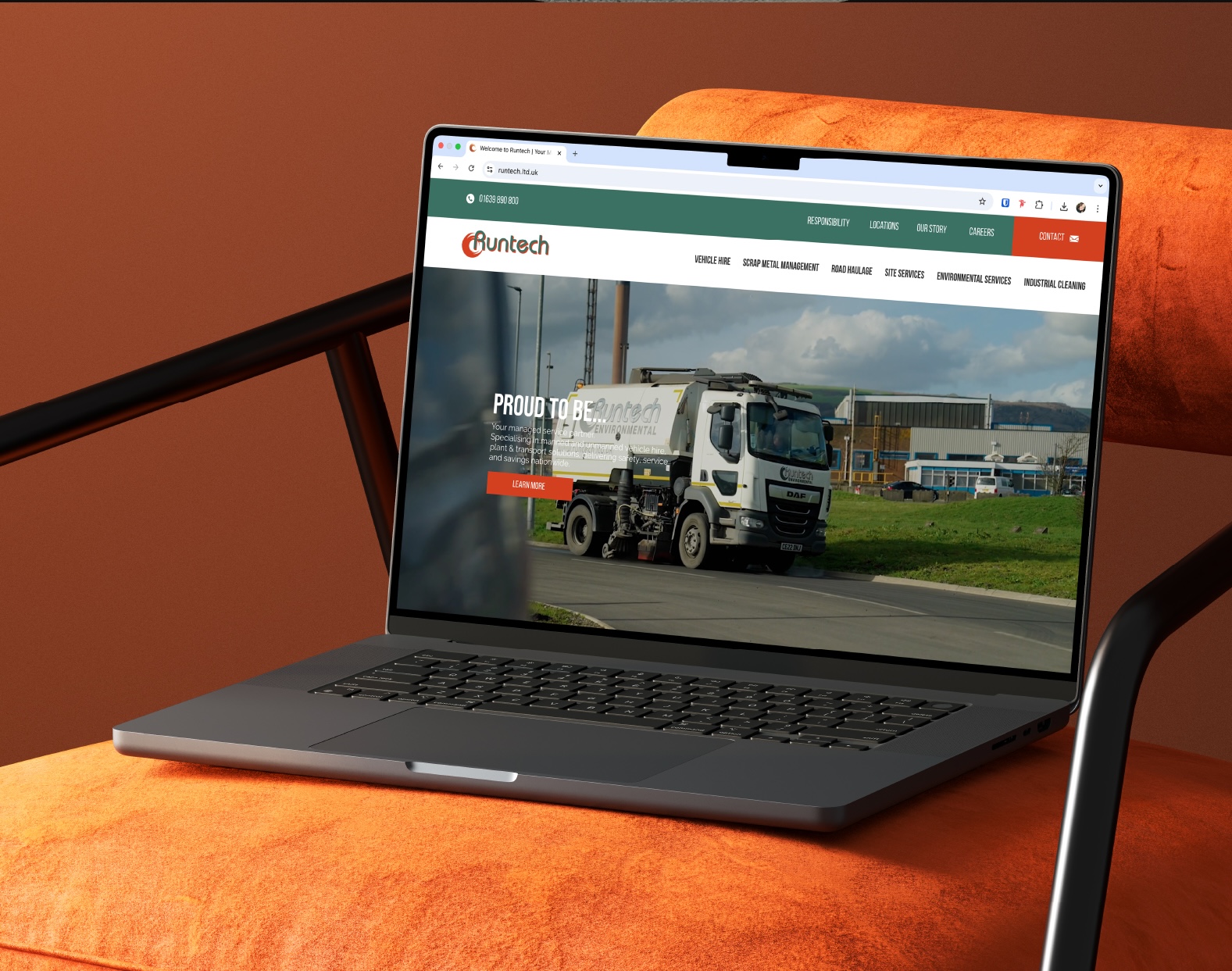
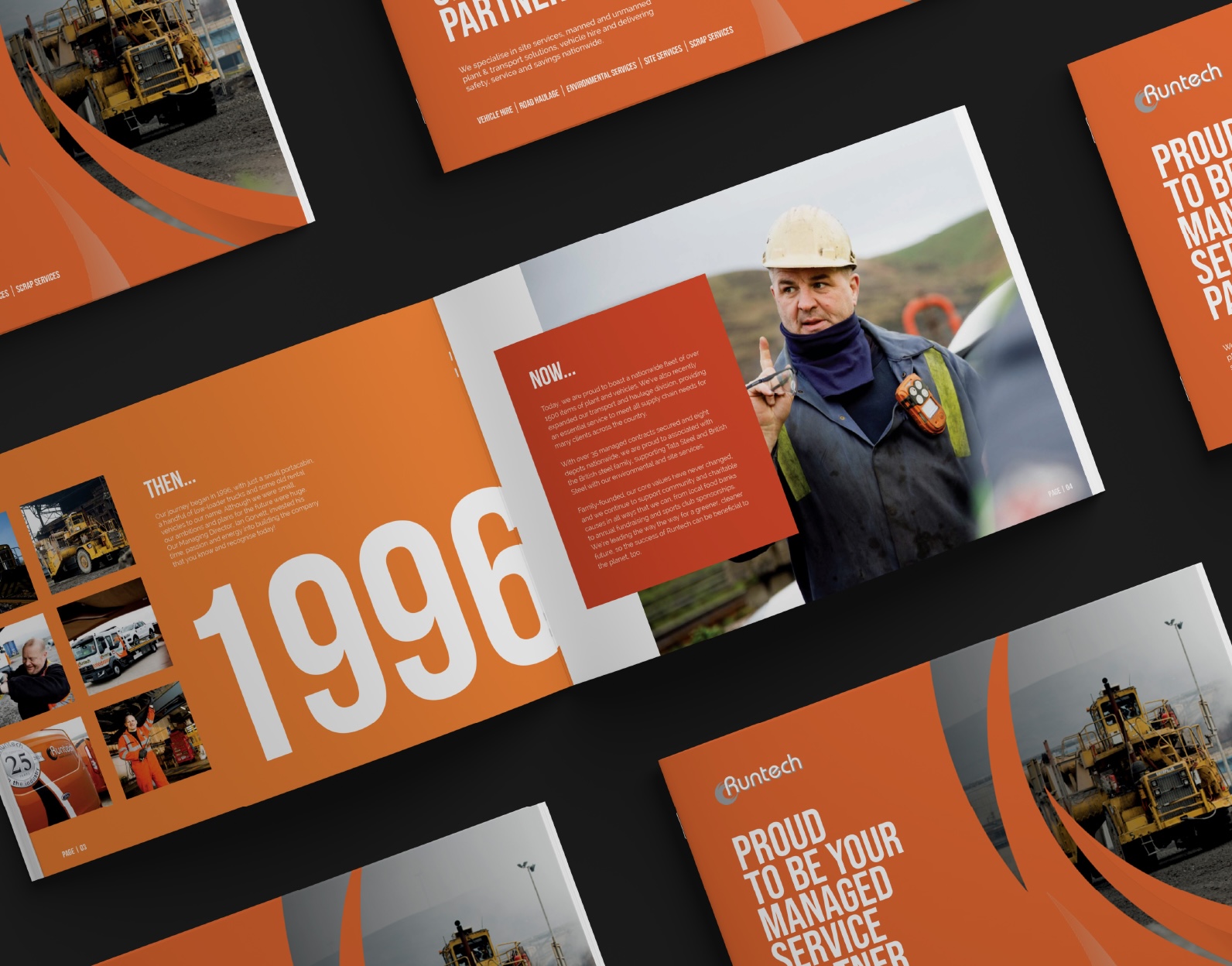
Runtech is a good example of a business that didn't have a technology problem in the way people usually mean it. They were excellent at the work itself, genuinely market-leading in their space. But they were running on spreadsheets and manual workflows, and their digital presence didn't reflect the calibre of work they were actually capable of. They were losing tenders not because of their delivery, but because of how they were presenting and proving it.
The fix wasn't a single tool either. It was digital dashboards, automated client-facing reporting, a full brand and website refresh, and industry PR, connected enough that credibility and delivery finally matched. The result was 6,000 hours of manual work removed annually and a 62% increase in search traffic, but the more important shift was structural: the business could now prove its own capability without someone manually assembling a report every time a client asked for one.
A practical test: did you transform anything, or just add software?
Here's the question worth asking before calling any project 'digital transformation'.
If you removed the new tool tomorrow, would the business immediately fall back into the same manual workarounds it had before? If the honest answer is yes, the tool was sitting on top of the same fragmented operating system, not replacing it. Nothing underneath actually changed.
Genuine transformation should make the old manual workaround genuinely impossible to go back to.
Why this matters more than it sounds
This isn't a semantic argument. Businesses that mistake tool adoption for transformation end up doing it repeatedly. They're implementing a new platform every 18 months, each one promising the transformation the last one didn't deliver, because the underlying operating system was never actually addressed. The tools change. The fragmentation underneath stays exactly the same.
The businesses that get real value from digital transformation are the ones willing to look past the interface and ask what's actually happening structurally underneath it. That's a less exciting conversation than picking a new platform. It's also the only version of this that actually works.
Ross Jones is Co-Founder and CEO of Ouma, a strategic growth partner helping ambitious UK businesses build connected growth systems. Ouma works with businesses across strategy, digital infrastructure, performance marketing, CRM and AI automation.
Related reading: Digital Transformation That Wins Bigger Tenders — the Runtech case study
Explore our Digital Transformation and Automation and Systems services
Summary
This article argues that most businesses mistake software adoption for digital transformation, and explains the real difference: a tool changes what interface you use, while genuine transformation changes the operating system underneath — how data, decisions and workflows actually connect. Drawing on two real projects, a bespoke operating system built for Miles Hire and a digital rebuild for Runtech, it sets out what real transformation looks like in practice, and offers a practical test for telling the difference between the two.
Key takeaways
- Installing new software is not the same as digital transformation — if the underlying process is still fragmented, you've just changed which screen the fragmentation happens on.
- Real transformation changes the operating system: how information flows, where decisions get made, and what happens automatically versus what still relies on someone remembering.
- A genuine operating system connects data that used to live in separate places — CRM activity sitting alongside live financial data is a good example, not a nice-to-have.
- The test that actually tells the two apart: if you removed the tool tomorrow, would the business fall back into the same manual workarounds? If yes, nothing was transformed.
FAQs
- Isn't implementing a CRM or a tool like ClickUp still useful?
Often, yes, as a component. The mistake isn't using these tools, it's calling their implementation "digital transformation" when they haven't changed the underlying structure connecting your data and decisions. A tool can be a genuinely useful part of a transformation. It's rarely the whole of one. - How do you know if a business actually needs an operating system rather than a single tool?
If information that should inform the same decision currently lives in more than one disconnected place; customer data in a CRM, financial data in accounting software, task tracking somewhere else entirely, and a person is the one joining it up manually, that's the signal. A tool fixes one part of that. An operating system connects all of it. - Does building an operating system mean replacing every existing tool?
Not necessarily. Miles Hire's system integrates with Xero rather than replacing it. Real transformation is often about connection, not wholesale replacement, the existing tools can often stay, provided the structure around them changes. - How long does building a genuine operating system take, compared to just implementing a new tool?
Longer, and that's part of why it gets avoided. Implementing a new tool can happen in weeks. Building the structure underneath; mapping how data and decisions actually need to connect, then building to that, takes longer, because it has to be designed around how the business actually works, not a generic template. - What's the first sign a business has actually been transformed, rather than just given new software?
Nobody in the business can describe a manual workaround they still rely on. If everyone can immediately name the spreadsheet, the cross-referencing step, or the report someone assembles by hand, the transformation hasn't reached that part of the business yet.